Tuesday, August 27, 2024

How to Overcome Guilt, Shame, and Find Hope Again

Life can be tough, and sometimes, we all feel lost or hopeless. Many people struggle with things like addiction, self-doubt, and feeling like they can’t escape a bad situation.

It’s like being stuck in a never-ending loop, where no matter how hard you try, you just can’t break free. These feelings can be overwhelming and make you feel like you’re the only one going through them.

But the truth is, these struggles are common, and you’re not alone. It’s important to remember that anyone can face these feelings, and there’s always a way out.

Recognizing the Cycle of Negative Patterns

Negative patterns can sneak into your life without you even realizing it. They might start as small habits, like using substances (alcohol, drugs), gambling, or spending too much time scrolling through social media and online content.

At first, these behaviors might feel like they’re helping you escape from stress or pain. But over time, they become traps, making things worse instead of better. They keep you from facing your real problems and taking responsibility for your actions.

Avoiding responsibility and fearing life’s challenges can also be part of this cycle. It might feel easier to ignore problems or run away from difficult situations.

But avoiding these things only allows them to grow bigger and scarier in your mind. Self-destructive behaviors become a way to hide from the fear and pain you don’t want to deal with.

These negative patterns can go on for years, trapping you in a cycle that feels impossible to break. The more you rely on these quick fixes, the more hopeless and stuck you might feel.

It’s important to recognize these patterns, understand why they’re happening, and know that change is possible.

Breaking free starts with understanding what’s really going on.

The Weight of Guilt and Shame

guilt-shame-backpack

Feeling like a failure or a burden to others can be a heavy weight to carry. Guilt and shame can make everyday life feel overwhelming and exhausting. These feelings often come from past mistakes or feeling like you’re relying too much on others for support.

It’s easy to think that you’ve let people down or that you’re not good enough.

How Guilt and Dependency Affect Self-Worth

  • Guilt Over Past Actions: Mistakes are a part of life, but dwelling on them can lead to feeling stuck. Constantly thinking about what you did wrong makes it hard to move forward.
  • Relying on Others: Needing help is normal, but feeling like you’re a burden can make you feel like you’re failing. This can lower your self-esteem and make you feel worthless.

The Trap of Comparison

Looking at others who seem successful and happy can make you feel even worse. Social media, in particular, can create a false picture of perfection.

When you compare yourself to these images, you might feel like you’ll never measure up. This can deepen your sense of inadequacy and make you feel even more stuck.

Remember, everyone has their own struggles, even if you can’t see them.

The Desire for Change vs. Fear of Failure

two-faced-woman

Wanting to change your life for the better is a strong and natural feeling. But often, it comes with a fear of failure that can hold you back. This fear creates an inner conflict, where part of you wants to improve, but another part worries you’ll just end up failing again.

The Frustration of Repeated Failures

  • Trying and Failing: You might have made several attempts to break free from bad habits, like quitting smoking, cutting back on drinking, or being more responsible. Each time you don’t succeed, it can feel like proof that change is impossible.
  • Feeling Stuck: These repeated failures can make you feel trapped, like you’re in a never-ending loop of trying and failing. This leads to frustration and hopelessness.

How Fear of Failure Leads to Inaction

  • Paralysis by Fear: The fear of failing again can be so strong that it stops you from even trying. You might think, “Why bother if I’m just going to fail?”
  • Cycle of Self-Blame: Not taking action leads to guilt and self-blame, which makes you feel worse and even less likely to try. This vicious cycle keeps you stuck where you are.

Breaking this cycle starts with understanding that failure is a part of learning and growth. It doesn’t define you; it teaches you.

Seeking Solace and Hope

When life feels overwhelming and hopeless, finding comfort and guidance is crucial. Many people turn to spirituality, faith, or a higher power to gain strength and perspective.

Believing in something greater than yourself can offer a sense of purpose and hope, even in the darkest times.

Finding a Source of Hope

  • Spirituality and Faith: Connecting with a higher power or practicing a spiritual belief can provide comfort. It helps you feel less alone and gives you a sense that there’s a bigger plan at work.
  • Hope Beyond Circumstances: Instead of focusing only on your current problems, spirituality encourages you to look beyond them. It offers a perspective that life is more than just the struggles you’re facing right now.

Seeking Internal Peace and Clarity

  • Meditation and Prayer: These practices can help calm your mind and bring clarity. Taking time to reflect can reduce anxiety and help you understand what’s truly important.
  • Finding Inner Strength: Turning inward allows you to connect with your own strength and resilience. It reminds you that you have the power to make changes and improve your situation.

Seeking solace and hope isn’t about ignoring problems but finding the strength to face them. It’s about believing that, no matter how tough things get, there is always a way forward.

Practical Steps to Reclaim Your Life

Making positive changes in your life is possible with simple, practical steps. Here are some ways to start:

Personal Responsibility

  • Take Ownership: Acknowledge that your actions and decisions shape your life. Be honest with yourself about what’s working and what needs to change.
  • Set Boundaries: Protect your time and energy. Learn to say no to things that drain you or lead you away from your goals. This includes distancing yourself from negative influences.

Physical Health

  • Improve Your Diet: Eat more fruits, vegetables, and whole foods. Drink plenty of water and reduce sugary drinks and junk food.
  • Get Active: Incorporate regular physical activity, like walking, running, or even simple exercises at home. Exercise boosts your mood and energy levels.
  • Practice Mindfulness: Engage in activities like yoga, meditation, or deep breathing exercises. These practices help reduce stress and bring clarity to your mind.

Creative and Purposeful Work

  • Focus on Projects: Choose projects or goals that are meaningful to you. Working on something you care about can bring a sense of accomplishment and purpose.
  • Contribute to the World: Find ways to use your skills and talents to help others. This could be volunteering, creating something valuable, or simply offering support to those around you.

Digital Detox

  • Limit Screen Time: Reduce time spent on social media, gaming, or mindlessly browsing the internet. These activities often provide short-term pleasure but can lead to long-term dissatisfaction.
  • Engage in Real-Life Activities: Spend more time on hobbies, reading, or face-to-face conversations. Disconnecting from the digital world can improve your mental well-being and help you feel more present in your life.

Taking these practical steps can help you regain control, find purpose, and create a healthier, more fulfilling life.

The Importance of Patience and Persistence

Making real, lasting changes in your life isn’t something that happens overnight. It requires time, effort, and patience. Understanding this can help you stay committed, even when the journey feels long and difficult.

Change Takes Time

  • Long-Term Commitment: Significant changes in habits, mindset, or lifestyle are often gradual. It’s normal for progress to feel slow or even invisible at times.
  • Expect Challenges: There will be setbacks and days when it feels like nothing is improving. These moments are a natural part of any growth process.

The Power of Persistence

  • Keep Pushing Forward: Even when you don’t see immediate results, it’s important to keep going. Persistence is key to overcoming obstacles and achieving your goals.
  • Don’t Give Up: Giving up after a setback only delays your progress. Use failures as learning experiences, and continue to move forward.

Focus on Small, Consistent Steps

  • Take It One Step at a Time: Instead of trying to make big changes all at once, focus on small, achievable steps. This approach is more sustainable and less overwhelming.
  • Celebrate Small Wins: Acknowledge and celebrate small progress. Each small step forward is a victory that brings you closer to your larger goals.

By embracing patience and persistence, you can build a solid foundation for lasting change, even if the process takes time.

Building a Support System

several-hands-together

Having a strong support system is crucial when you’re trying to make positive changes in your life. Connecting with people who care about you can provide the encouragement and strength you need to keep going.

The Importance of Supportive Relationships

  • Lean on Friends and Family: Surround yourself with people who believe in you and want to see you succeed. These individuals can offer emotional support, advice, and a listening ear when you need it most.
  • Be Honest and Open: Look for relationships where you can share your thoughts and feelings openly, without fear of judgment or betrayal. Trust is key in these connections.

Seeking Professional Help

  • Therapy and Counseling: Talking to a professional therapist or counselor can provide a safe space to explore your feelings, challenges, and goals. They can offer guidance and coping strategies tailored to your specific needs.
  • Support Groups: Consider joining a support group where others are going through similar experiences. These groups provide a sense of community and understanding, reminding you that you’re not alone in your struggles.

Community Involvement

  • Engage with Your Community: Find local organizations, clubs, or activities where you can meet new people and build connections. Being part of a community can provide a sense of belonging and purpose.

Building a support system takes effort, but it’s a vital step in reclaiming your life. Having people to lean on makes the journey toward change less lonely and more manageable.

What’s Next?

Feeling lost or hopeless is something many people experience, but it doesn’t have to define your life. Breaking free from negative cycles is possible with the right mindset, support, and actions.

By taking responsibility, focusing on small positive changes, and building a strong support system, you can reclaim your life and find purpose.

Remember, it’s never too late to make a change. Start today, and take the first step towards a brighter future. There is always hope.

Official post by Joanne at Sacred Joanne


source https://sacredjoanne.com/how-to-overcome-guilt-shame-and-find-hope-again/

Monday, August 19, 2024

19 Cute Gifts For Your Spiritual Friend

This post contains affiliate links.

Finding the perfect gift for a friend who values spirituality and mindfulness can be a delightful challenge. Whether they’re into meditation, energy healing, or simply creating a peaceful atmosphere, a thoughtful gift that resonates with their spiritual journey is sure to be appreciated.

In this guide, we’ve curated 19 cute and meaningful gifts that will support your friend’s practices, enhance their space, and bring a touch of positivity to their life.

From crystal-infused water bottles to soothing chakra candles, these gifts are not only practical but also deeply aligned with their spiritual pursuits.

1. Crystal Healing Set

healing-crystals

The Crystal Healing Set is a perfect gift for any spiritual friend who loves working with energy and crystals. This set includes a variety of hand-selected, natural stones that can help balance chakras, reduce stress, and bring positive vibes into their life. It’s a thoughtful way to support their spiritual journey and make them feel more connected and grounded.

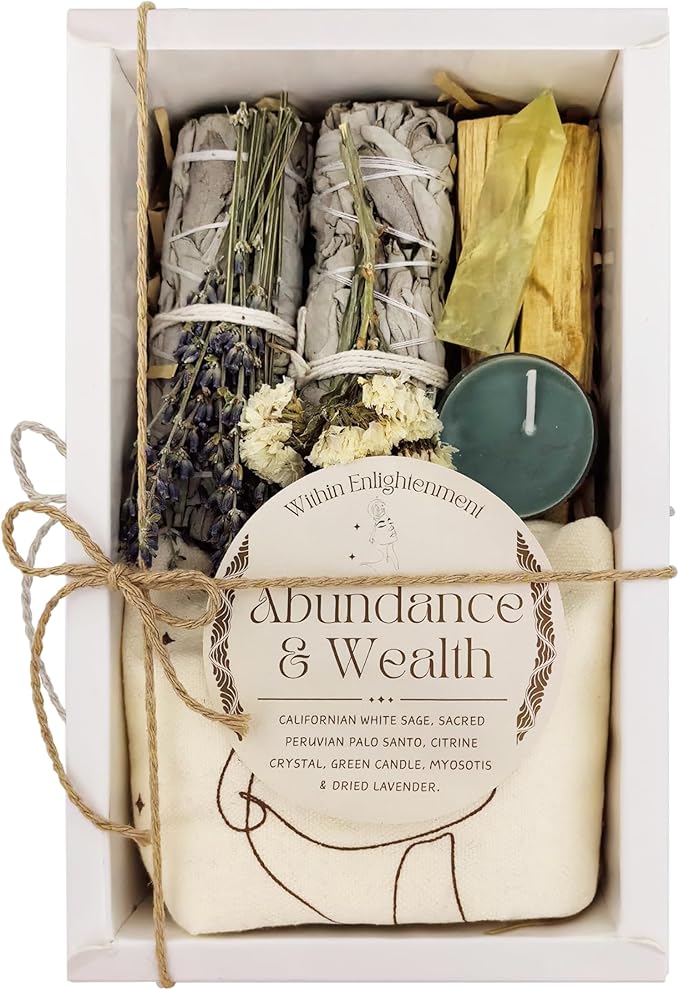
2. Sage Smudging Kit

Sage Smudging Kit

The Sage Smudging Kit is an ideal gift for your spiritual friend who enjoys cleansing and creating sacred spaces. This beautifully packaged set includes everything they need for their smudging rituals, like ethically sourced white sage, palo santo, and crystals. It’s perfect for enhancing their meditation, clearing negative energy, and bringing a sense of peace and harmony into their home. This thoughtful kit not only supports their spiritual practices but also adds a touch of beauty to their rituals.


3. Meditation Cushion

Meditation Cushion

The Meditation Cushion is a thoughtful gift for a friend who loves meditation or yoga. This soft, velvet cushion not only provides comfort but also supports proper posture, helping them to stay focused and relaxed during their practice. It’s filled with eco-friendly buckwheat hulls, connecting them with nature while easing stress on their joints. Plus, its beautiful design makes it a lovely addition to any home or meditation space, blending function with style.


4. Tibetan Singing Bowl

Tibetan Singing Bowl

The Tibetan Singing Bowl is a wonderful gift for any spiritual friend who loves meditation or sound healing. Handcrafted by Nepalese artisans, this bowl creates calming, soothing tones that enhance yoga, meditation, and chakra healing. Its peaceful resonance helps reduce stress and promotes holistic healing. Plus, it’s compact and easy to take anywhere, making it a thoughtful and unique gift for their spiritual practice.


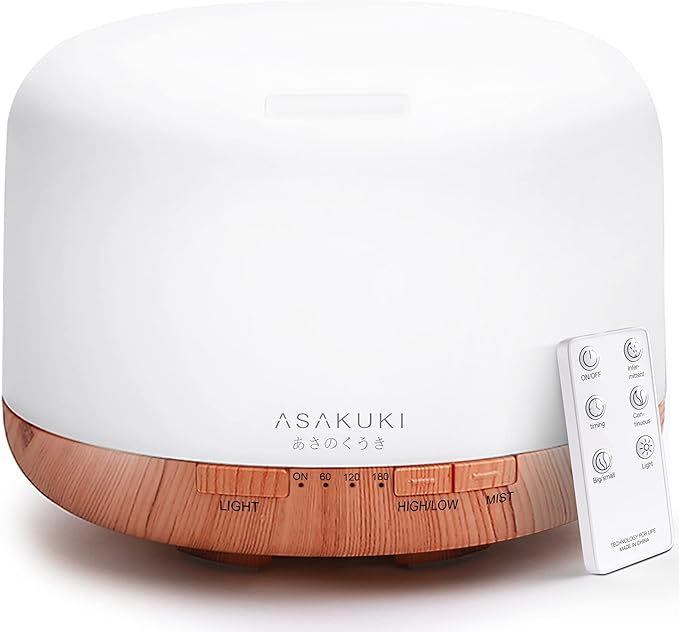
5. Essential Oil Diffuser

Essential Oil Diffuser

The Essential Oil Diffuser is a fantastic gift for a friend who loves creating a peaceful and aromatic environment. This versatile device not only fills their space with soothing scents but also features customizable LED lights and mist settings to match any mood. With its ultra-quiet operation and remote control, it’s perfect for enhancing relaxation during yoga, meditation, or simply unwinding at home. Plus, it’s safe, easy to use, and makes a lovely addition to any room.


6. Tarot Cards

tarot-cards

The Rider-Waite Tarot Deck is a classic choice for anyone interested in tarot, whether they’re new to it or experienced. This deck, known for its rich symbolism and detailed illustrations, has set the standard for modern tarot. Each card tells a story with its vivid imagery, making it easier to interpret without constantly referring to a guidebook. It’s a timeless tool for introspection, guidance, and exploring the mysteries of life. Perfect for any spiritual friend who loves diving into the world of tarot.


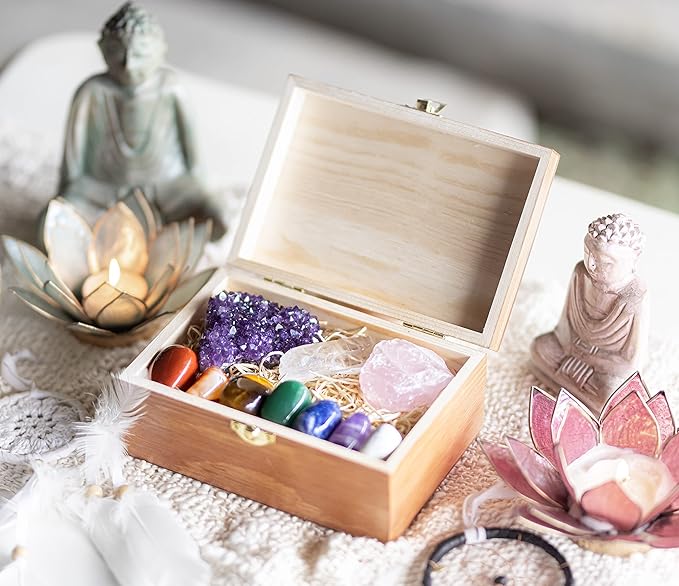
7. Chakra Balancing Kit

chakra-kit

The Chakra Balancing Kit is a thoughtful gift for a friend who’s into energy work or meditation. This kit includes a set of tumbled gemstones, each aligned with one of the seven chakras, plus some additional crystals like Amethyst and Rose Quartz. It’s perfect for helping them balance their energy, whether they’re meditating, practicing yoga, or just looking to bring more harmony into their life. The set comes pre-cleansed and ready to use, making it a meaningful and easy-to-give gift.


8. Affirmation Cards

Affirmation Cards

The Affirmation Cards by Suzi Barrett are a fun and uplifting gift for a friend who enjoys a bit of daily positivity. These 50 cards offer inspirational messages with a touch of humor, making self-care feel light and enjoyable. Perfect for adding a dose of good vibes to their routine, these cards are a great pick-me-up without being too “woo-woo.” Whether they’re used as part of a morning ritual or for a quick boost during the day, they’re a thoughtful and cheerful gift for any spiritual friend.


9. Spiritual Books

spiritual-book

Spiritual Books like The Untethered Soul by Michael A. Singer are a perfect gift for a friend seeking inner peace and self-discovery. This bestselling book guides readers on a journey to free themselves from limiting thoughts and emotions, helping them tap into deeper consciousness and live more fully in the present moment. Whether they’re new to spiritual exploration or have been on the path for years, this book offers profound insights that can transform their relationship with themselves and the world around them. It’s a thoughtful and inspiring gift for anyone on a spiritual journey.


10. Yoga Mat

yoga-mat

The Yoga Mat is a perfect gift for a friend who loves yoga, Pilates, or any floor exercises. This extra-thick mat provides comfortable cushioning, making it ideal for both beginners and experienced practitioners. Whether they’re stretching, posing, or just need a soft surface for exercises, this mat offers the support they need. Plus, it comes with a handy carrying strap, so they can easily take it to the studio or use it at home. It’s a thoughtful gift that adds comfort to their wellness routine.


11. Dream Journal

dream-journal

The Dream Journal by Clever Fox is a wonderful gift for anyone who loves exploring their subconscious through dream journaling. This beautifully designed journal helps your friend record and analyze their dreams, offering prompts and tips to uncover patterns and insights. With space for 60 dreams, it’s a creative tool for self-discovery and stress relief. The journal’s premium features, like its eco-leather cover, thick paper, and included stickers, make it both functional and stylish. It’s a thoughtful gift for anyone looking to delve deeper into their dreams and inner world.


12. Himalayan Salt Lamp

Himalayan Glow Salt Lamp

The Himalayan Salt Lamp is a perfect gift for a friend who loves creating a calming and cozy atmosphere. Handcrafted from natural Himalayan salt crystals, this lamp emits a soothing amber glow that can help reduce stress and enhance relaxation. With its dimmer switch, they can easily adjust the light to set the perfect mood. It’s not just a lamp, but a beautiful and thoughtful addition to any room, making it an ideal gift for any special occasion.


13. Incense Holder

Incense Holder

The Gnome Incense Holder is a charming and quirky gift for a friend who enjoys burning incense. This cute little gnome not only holds incense sticks and cones but also adds a fun touch to any space with its unique design—smoke even comes out of its ears and mouth! It’s a delightful decoration for a desk, bookshelf, or living room, and it’s perfect for helping them relax, meditate, or simply enjoy a pleasant aroma. This adorable incense holder makes a great gift for any occasion, bringing a bit of whimsy and warmth to their home.


14. Zen Garden

zen-garden

The Zen Garden Kit is a thoughtful gift for anyone who could use a little more calm and creativity in their life. This beautifully designed set includes everything needed to create a peaceful mini Zen garden right on their desk or tabletop. With 15 premium accessories, including sand, rocks, and bamboo rakes, they can spend time arranging and raking patterns to relieve stress and find inner peace. It’s not just a decorative piece, but a soothing activity that helps with meditation and mindfulness, making it a perfect gift for a friend who appreciates tranquility.


15. Moon Lamp

moon-lamp

The Moon Lamp is a magical gift for anyone who loves adding a touch of whimsy to their space. This 3D-printed lamp mimics the surface of the moon and offers 16 different colors, which can be adjusted with a remote for the perfect ambiance. It’s not just a night light—it’s a piece of art that can create a calming atmosphere in any room. Whether for a child’s bedroom or as a unique decor piece for a friend, this moon lamp is sure to enchant and inspire. Plus, it’s rechargeable and easy to use, making it a practical yet delightful gift.


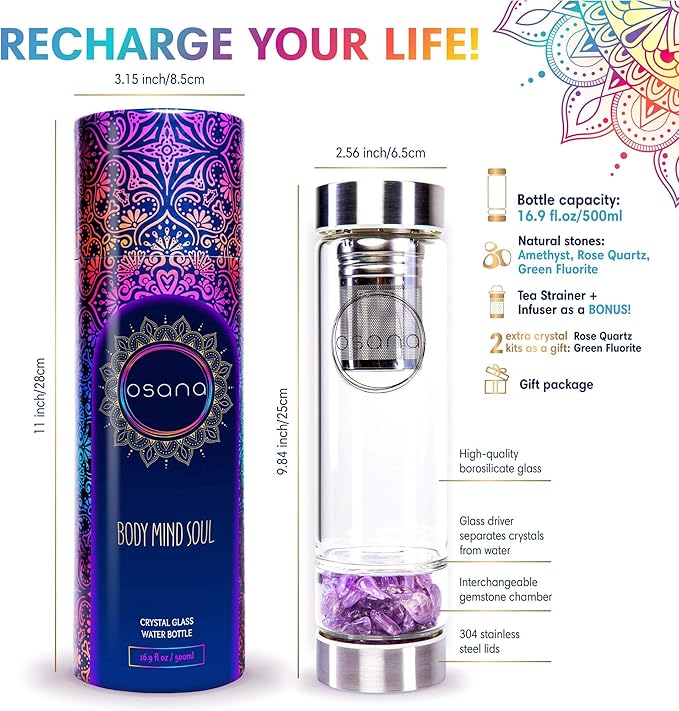
16. Crystal-Infused Water Bottle

Crystal-Infused Water Bottle

The Crystal-Infused Water Bottle is a thoughtful gift for a friend who loves combining wellness with style. This sleek glass bottle comes with three changeable healing crystals—Amethyst, Rose Quartz, and Green Fluorite—allowing them to infuse their water with positive energy throughout the day. It’s perfect for everything from loose leaf tea to infused water, making hydration both mindful and beautiful. Plus, it’s environmentally friendly, BPA-free, and comes with a protective sleeve for easy carrying. This unique bottle is a great way to add a little extra positivity and intention to their daily routine.


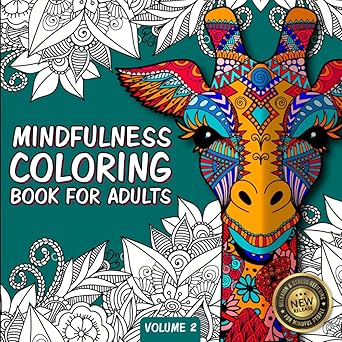
17. Mindfulness Coloring Book

Mindfulness Coloring Book

The Mindfulness Coloring Book is a perfect gift for anyone who loves to relax and unwind through creativity. Filled with 50 unique animal and flower mandalas, this book offers a soothing escape from daily stress, allowing your friend to find their inner peace while coloring intricate designs. It’s a great tool for mindfulness and meditation, making it a thoughtful gift for anyone looking to boost their creativity and reduce stress. Plus, with its beautiful designs and high-quality pages, it’s a delightful way to spend some quiet time.


18. Mandala Tapestry

mandala-tapestry

The Mandala Tapestry is a versatile and beautiful gift that adds a touch of bohemian style to any space. Handcrafted by local artists, this queen-sized tapestry features intricate mandala designs, perfect for brightening up a wall, decorating a dorm room, or even using as a beach throw or picnic blanket. Made from eco-friendly cotton, it’s soft, durable, and easy to clean. Whether used indoors or outdoors, this tapestry is a thoughtful gift that brings a vibrant, artistic vibe to any setting.


19. Chakra Candles

Chakra Candles

The Meditation Cushion is a thoughtful gift for a friend who loves meditation or yoga. This soft, velvet cushion not only provides comfort but also supports proper posture, helping them to stay focused and relaxed during their practice. It’s filled with eco-friendly buckwheat hulls, connecting them with nature while easing stress on their joints. Plus, its beautiful design makes it a lovely addition to any home or meditation space, blending function with style.


Official post by Joanne at Sacred Joanne


source https://sacredjoanne.com/cute-gifts-for-your-spiritual-friend/

When You Can’t Love Your Parents and It Hurts

Loving your parents should feel natural, but for some of us, it’s not that simple. I’ve struggled with this for a long time.

There are moments when I want to feel close to my parents, to love them like I used to, but something inside me just won’t let it happen.

This leaves me feeling confused and guilty. I know my parents did their best, but the hurt from the past still lingers.

So, what do you do when you want to love your parents, but you just can’t? This is the question I’ve been wrestling with, and I want to share my journey with you.

Adult Relationships with Parents

sadness-disconnection

When we think about our relationships with our parents as adults, it’s important to understand how past experiences shape our feelings today.

Childhood trauma, like being neglected, criticized, or even abused, can have a lasting impact.

These painful memories often create a barrier between us and our parents, making it hard to feel emotionally close to them.

Over time, this emotional distance can turn into resentment.

Even if we rationally understand that our parents did the best they could, the unresolved pain from the past can keep us from fully connecting with them.

This leads to a confusing mix of emotions. We may feel guilty for not being able to love them like we want to, and this guilt only adds to the emotional burden.

In this situation, it’s common to feel stuck.

You want to forgive and move forward, but each time you try, the old wounds reopen, bringing back feelings of anger, sadness, or disappointment.

This can make you question yourself, wondering why you can’t just let go and love your parents like you’re supposed to.

But these feelings are more common than you might think, and they don’t mean something is wrong with you.

It’s part of the complex nature of human relationships, especially when past hurts are involved.

You’re Not Responsible for Your Parents’ Happiness

broken-heart

It’s easy to feel like you need to make your parents happy, especially if you’ve had a rocky relationship with them.

But one of the most important things to understand is that their happiness is not your responsibility.

You can’t control how they feel or how they react to things. Trying to do so can leave you feeling frustrated and drained because it’s an impossible task.

Setting healthy boundaries with your parents is essential.

These boundaries help you protect your own emotional space and prevent you from getting overwhelmed by their needs or expectations.

When you establish boundaries, you’re not being selfish; you’re taking care of yourself.

Without these boundaries, you might feel constant pressure to fix things for your parents, which can lead to feelings of guilt and stress when you inevitably fall short.

As you work through these feelings, it’s also important to practice self-compassion.

Be kind to yourself and recognize that it’s okay to struggle. Healing from past hurts and learning to navigate your relationship with your parents takes time.

Celebrate the progress you make, even if it feels small.

And remember, it’s okay to prioritize your own well-being, even if that means stepping back from trying to make your parents happy all the time.

Letting go of that guilt is a crucial step in your journey of healing and self-discovery.

The Challenge of Forgiveness and Connection

Forgiving your parents and trying to reconnect with them can be one of the hardest challenges you’ll face.

On one hand, you might understand that your parents were doing their best with what they knew and had.

You might even recognize that they didn’t mean to hurt you. But understanding this logically doesn’t always translate into emotional healing.

It’s like there’s a wall between what you know in your head and what you feel in your heart.

This emotional conflict can be incredibly frustrating. You might tell yourself that you should be able to let go of the past and move on, but the pain lingers.

Even if you know deep down that your parents didn’t intentionally cause harm, it doesn’t always make the hurt go away.

This is what makes forgiveness so challenging—knowing that you should forgive, but struggling to actually feel it.

Many people try to reconnect with their parents, hoping that forgiveness will come with time and effort.

You might reach out more, try to have deeper conversations, or spend more time together, all in the hope of rebuilding the bond.

But these attempts can be difficult and often lead to setbacks. It’s hard when you put in the effort, but the connection doesn’t happen the way you want it to.

You might feel discouraged or like you’re failing at something that should be natural.

But it’s important to remember that you’re not alone in this struggle. Many people go through similar experiences, and it’s okay to find it hard.

Rebuilding relationships after they’ve been damaged takes time, patience, and sometimes, the acceptance that things might never be perfect.

The key is to keep trying, while also being kind to yourself during the process.

Childhood Trauma

childhood-trauma

Childhood trauma, especially something as devastating as sexual abuse, leaves deep and lasting scars.

For me, this trauma was like a hidden wound that I didn’t fully recognize or understand until much later in life.

During my childhood, I couldn’t fully process what had happened to me, and it wasn’t until I reached high school that the memories began to resurface.

At first, I wanted nothing more than to push these memories away, to bury them so deep that they would never see the light of day.

The pain was too overwhelming, and the idea of confronting it felt impossible.

But as much as I tried to ignore or forget what had happened, the trauma didn’t just disappear.

Instead, it started to seep into different parts of my life, particularly in how I viewed and interacted with my parents.

Even though they weren’t directly involved in the abuse, the trauma created an invisible barrier between us.

I began to feel a growing distance from them, a sense that they had somehow let me down, even if they hadn’t meant to.

This growing distance was fueled by feelings of blame and resentment.

I couldn’t help but wonder why they hadn’t noticed something was wrong, why they hadn’t been there to protect me when I needed them most.

These questions haunted me, making it hard to trust them or feel safe around them. The more I thought about it, the angrier I became.

It felt like they had failed me in the worst way possible, even though, deep down, I knew they hadn’t intended any harm.

The anger and hurt I felt towards my parents started to build up over time.

It wasn’t just about the abuse itself, but also about the feeling that my parents hadn’t been able to shield me from that pain.

This resentment made it incredibly difficult to forgive them or to see them in the same light as before.

Every time I tried to get closer to them, those old feelings of anger and sadness would come rushing back, reminding me of the trauma and the distance it had created between us.

This struggle with forgiveness is something I’m still dealing with. It’s an ongoing process, trying to reconcile the love I want to feel for my parents with the hurt that still lingers.

The trauma has left a permanent mark on our relationship, one that I’m slowly learning to navigate as I continue my journey towards healing.

I know that rebuilding the connection with my parents won’t be easy, but it’s something I’m working towards, one step at a time.

Coping Mechanisms and Their Consequences

When dealing with the pain from my past, I turned to weed and gambling as ways to cope.

At first, these things seemed to help.

Smoking weed helped me escape from my thoughts, and gambling provided a distraction that made me feel in control, even if just for a moment.

But what started as a way to numb my emotions quickly spiraled into something more harmful.

The temporary relief I got from these behaviors soon led to more problems, making me feel even more lost and out of control.

The impact on my life was significant. My relationships began to suffer, my work performance dropped, and my overall well-being took a hit.

I was using these coping mechanisms to avoid dealing with my emotions, but they were only masking the deeper issues I needed to face.

Eventually, I hit rock bottom. I reached a point where I could no longer ignore the fact that weed and gambling were ruining my life.

It was a harsh wake-up call, but it forced me to confront the pain I had been avoiding for so long.

Realizing that these behaviors were not the answer was the first step towards healing.

It wasn’t easy, but it marked the beginning of finding healthier ways to cope and start the process of recovery. Please check in case you need help:

  • https://ift.tt/MDmNVOk
  • https://ift.tt/p7Gvb4f

Navigating the Desire for Intimacy and Connection

Growing up, I often found myself yearning for those close, intimate moments with my parents—moments where it was just us, sharing a laugh, a conversation, or simply enjoying each other’s company.

I craved those connections, but they rarely happened. When they did, they were often overshadowed by larger family gatherings or other distractions.

This left me feeling disappointed and frustrated, as if something important was missing from our relationship.

This longing for closeness that was never fulfilled made our relationship even more complicated.

Each missed opportunity to connect only deepened the emotional distance between us.

It was hard not to feel hurt when those moments didn’t happen, and that hurt gradually turned into resentment, making it even harder to bridge the gap.

On top of this, I found myself stuck in a confusing emotional conflict.

On one hand, I wanted to forgive my parents and move forward, to feel the love that I knew was there somewhere.

But on the other hand, my emotions wouldn’t cooperate.

Even though I understood rationally that I should let go of the past and embrace my parents, emotionally, I just couldn’t do it.

This disconnect between my head and my heart created a constant internal struggle.

Navigating these feelings has been a significant challenge. It’s not easy to balance the rational desire to heal with the emotional barriers that stand in the way.

But I’m slowly learning to accept that this is part of the journey—understanding that it’s okay to struggle with these conflicting emotions and that the path to connection and intimacy with my parents may be longer and more complicated than I had hoped.

Moving Forward: What’s Next?

Moving forward, one of the most important steps is accepting the situation for what it is.

It’s not easy to let go of the idea that your relationship with your parents should be perfect, but accepting the reality of the situation can bring a sense of peace.

Not all wounds can be fully healed, and not all relationships can be perfectly mended.

Sometimes, the best thing you can do is focus on your own healing, rather than trying to fix everything.

This process of healing starts with you. Instead of putting all your energy into trying to change your relationship with your parents, it’s helpful to turn that energy inward.

Work on healing the emotional wounds that have been left by the past. Accepting that some things are out of your control can be incredibly freeing.

It allows you to let go of unrealistic expectations and to stop feeling responsible for making everything right.

To help with this, there are some practical steps you can take.

Seeking therapy is a great way to have a safe space where you can talk about your feelings and get professional guidance on how to heal.

A therapist can help you understand your emotions better and find healthier ways to cope. Journaling is another powerful tool.

Writing down your thoughts and feelings can help you process them and see your progress over time.

It’s also important to set realistic expectations for your relationship with your parents.

Understand that it might never be perfect, but that doesn’t mean it can’t be meaningful in its own way.

Official post by Joanne at Sacred Joanne


source https://sacredjoanne.com/when-you-cant-love-your-parents-and-it-hurts/

Monday, July 22, 2024

How To Raise Your Vibration and Manifest Positive Vibes

Have you ever felt an instant surge of energy, either uplifting or draining, when you enter a room?

This is linked to vibrational frequency—the idea that our thoughts, emotions, and actions emit energy impacting our well-being.

High vibrations attract positivity, while low vibrations draw negativity.

Many people feel stuck, unmotivated, and trapped in negative cycles because of low vibrations.

They struggle to manifest their dreams and see life as a series of obstacles.

By raising your vibration, you can change this reality, attracting joy, abundance, and positive experiences.

In this article, we’ll explore the signs of high and low vibrational frequencies, methods to elevate your vibration, and practical tips to integrate high-vibration habits into your daily life.

Whether you’re new to this concept or seeking deeper understanding, you’ll find valuable insights to help you cultivate positive vibes and manifest a better reality.

Are You a High Vibrating Person? Know Your Frequency

Identifying your personal frequency involves a mix of self-awareness and observation. It’s about tuning into how you feel, react, and interact with the world.

Feelings of joy, peace, and love usually indicate a higher vibration, while anger, fear, or sadness often reflect a lower frequency.

Signs of High Vibration Person

A high-vibration person often exhibits:

  • Feelings of Peace and Contentment: A calm and balanced state of mind.
  • Gratitude and Appreciation: Regularly feeling thankful and recognizing the positives in life.
  • Empathy and Compassion: Understanding and caring deeply about others.
  • Creativity and Inspiration: Frequently coming up with new ideas and feeling motivated.
  • Synchronicity and Flow: Experiencing meaningful coincidences and a smooth, effortless life.
  • Feelings of Abundance and Security: Believing there is enough for everyone and feeling safe.
  • Self-Confidence: Trusting in your abilities and self-worth.
  • Faith in a Higher Power: Believing in something greater than yourself.
  • Intentional Spending: Being mindful and deliberate with your resources.
  • Can-Do Attitude: Approaching challenges with optimism and determination.

Signs of Low Vibration Person

Conversely, a low-vibration person might display:

  • Constant Negative Emotions: Such as fear, anxiety, anger, and depression.
  • Lack of Motivation and Inspiration: Feeling stuck and uninspired.
  • Physical Tension and Discomfort: Regular aches and stress in the body.
  • Difficulty Connecting with Others: Struggling to build meaningful relationships.
  • Stagnation and Resistance: Feeling stuck and resisting change.
  • Feelings of Lack: Believing there isn’t enough and feeling insecure.
  • Playing Small: Not reaching for your potential.
  • Excessive Complaining and Blaming: Focusing on the negatives and blaming others.
  • Victim Mentality: Feeling powerless and blaming circumstances.

By recognizing these signs of high and low vibrations, you can become more aware of your own energy frequency and take steps to shift toward a more positive and life-affirming attitude.

This awareness is a powerful tool in your journey to raise your vibration and experience a richer, more fulfilling life.

21 Ways to Raise Your Vibrational Frequency

High vibration habits are actions, behaviors, and practices that elevate our overall energy, leading to a more positive and fulfilling life.

By incorporating these habits into our daily routine, we can raise our mental state to a higher level and attract more positive energy and abundance into our lives.

These habits range from simple activities like taking a walk in nature to more intentional practices like meditation or visualization.

At their core, high vibration habits cultivate well-being and positivity, helping us release negative energy and focus on joy and fulfillment.

1. Meditation to Raise Vibration

Meditation quiets the mind, allowing you to connect with your inner self and the present moment.

This practice aligns your energy with higher frequencies, fostering peace and clarity.

Regular meditation increases mindfulness, making you more attuned to your thoughts and feelings, enabling you to choose those that support a higher vibration.

It also reduces stress and anxiety, further supporting a higher vibrational state.

How to Implement: Find a quiet space, focus on your breath for a few minutes, and gently bring your mind back when it wanders. Practice daily for the best results.

2. Healthy Foods for High Vibration

Eating whole, plant-rich foods nourishes your body and raises your vibration. Focus on consuming fresh fruits, vegetables, and organic products while avoiding junk food.

Pay attention to how certain foods make you feel and choose those that uplift your energy.

How to Implement: Incorporate more whole foods into your diet gradually. Start with adding more fruits and vegetables and reducing processed food intake.

3. Music to Boost Vibration

Music has the power to shift your emotional state and raise your vibrational frequencies.

Uplifting melodies and inspiring lyrics can elevate your mood and align your energy with positivity.

How to Implement: Create playlists of songs that make you feel joyful and inspired. Listen to them during your daily routine, such as in the morning or while doing chores.

4. High Vibration Crystals

Crystals like quartz and amethyst have been used for centuries for their energy-amplifying properties.

They help balance your energy and raise your vibrational frequencies.

How to Implement: Choose crystals that resonate with you and your intentions. Keep them in your pocket, wear them as jewelry, or place them around your home.

5. Positive Thoughts to Elevate Vibration

Your thoughts have a significant impact on your vibrational frequency. Shifting towards positive thinking is one of the most effective ways to elevate your vibrations.

Acknowledge low-frequency thoughts and consciously focus on more positive perspectives.

How to Implement: Practice positive affirmations, cultivate a habit of gratitude, limit negative influences, and visualize positive outcomes. Engage with educational and inspirational content to reinforce a positive mindset.

6. Reconnect with Nature

Spending time in nature provides a high vibrational boost. Natural surroundings offer calming and rejuvenating energy that realigns and raises your vibrations.

Engaging with nature through your senses helps you harmonize with the earth’s natural rhythms.

How to Implement: Take mindful walks in parks or nature reserves. Focus on being present, take deep breaths, and absorb the natural energy around you.

7. Stay Active

Regular exercise enhances your vibrational frequency by releasing endorphins, natural mood lifters that promote well-being and happiness.

Physical activity helps release stagnant energy and improves circulation, maintaining a high vibrational state.

How to Implement: Choose an activity you enjoy, like yoga, running, or dancing, and make it a regular part of your routine. Even a simple daily walk can boost your vibration.

8. Surround Yourself with Positivity

The people and environments around you greatly affect your vibrational frequency.

Surround yourself with supportive, positive individuals and create bright, clean spaces filled with natural elements.

Consuming uplifting media and content also helps maintain higher vibrations.

How to Implement: Organize your living space, let in natural light, and add plants. Choose positive, inspirational books, music, and podcasts to enrich your environment.

9. Use Aromatherapy and Color Therapy

Aromatherapy and color therapy subtly yet powerfully influence your vibrational state.

Scents like lavender and citrus can calm or uplift you, while colors like blue and yellow impact your mood and energy.

How to Implement: Use essential oil diffusers, candles, or personal care products with your favorite scents. Incorporate vibrant or calming colors into your home decor and wardrobe to enhance your vibrational environment.

10. Cultivate Gratitude and Compassion

Fostering gratitude and compassion enhances your vibrational frequency by shifting your focus from negativity to abundance and empathy.

Regularly expressing gratitude helps you acknowledge life’s positives, naturally elevating your vibration. Keeping a gratitude journal reinforces this awareness.

Compassion involves extending kindness to others, deepening connections and fostering love and empathy.

Acts of compassion, from small gestures to significant volunteer work, benefit both the giver and receiver, raising vibrational frequencies.

How to Implement: Start your day by reflecting on three things you’re grateful for. Maintain a gratitude journal, and practice small acts of compassion daily.

11. Perform Acts of Kindness

Kindness and compassion are high-vibrational emotions. Helping others boosts your mood and raises your energetic state.

Acts of kindness remind you of your own blessings, further elevating your vibration.

Whether it’s a random act of kindness for a stranger or a thoughtful gesture for a friend, these actions spread positivity and enhance your vibrational frequency.

How to Implement: Make a habit of performing one act of kindness daily, such as helping a neighbor or complimenting a colleague. Notice how these actions make you feel.

12. Prioritize Your Needs

Constantly putting others before yourself can diminish your positive vibrations. Reclaim your energy by setting boundaries and saying no to things you don’t want to do.

This practice respects your needs and preserves your vibrational energy, allowing you to stay in a higher energetic state.

How to Implement: Evaluate your commitments and practice saying no to tasks or activities that drain your energy. Focus on what truly aligns with your well-being.

13. Express Through Dance

Dancing is a powerful way to express emotions and break negative thought patterns.

Moving to upbeat music helps release stagnant energy and elevates your mood.

Dance can be a joyful and liberating experience, raising your vibrational frequency and connecting you to your inner self.

How to Implement: Incorporate dancing into your routine, whether by attending dance classes or simply dancing to your favorite music at home. Let the music move you.

14. Keep a Journaling Practice

Regular journaling helps process emotions and thoughts in a healthy manner. It provides a space for self-reflection, helping you understand your feelings without judgment.

Journaling can deepen your awareness, reduce stress, and support a higher vibrational state.

How to Implement: Set aside time each day to journal. Write about your thoughts, feelings, and experiences. Use this practice to gain insights and release any negative emotions.

15. Filter Negative Media

Excessive exposure to negative news and low-vibrational entertainment can lower your energetic frequency.

By limiting this exposure, you protect your mental state and maintain a higher frequency.

How to Implement: Set specific times to check the news, avoid sensationalist media, and curate your social media feeds to include more uplifting and educational content.

16. Tap Into Creativity

Tapping into your creative side elevates your mood and vibration. Artistic expression allows you to channel positive emotions and connect with your inner self.

How to Implement: Dedicate time each week to a creative hobby. Join a workshop, start a journal, or simply doodle in your free time.

17. Moderate Caffeine and Alcohol

Excessive caffeine and alcohol can disrupt your sleep and energy patterns. Consuming them in moderation helps maintain a balanced energetic frequency.

How to Implement: Set limits for yourself. Opt for herbal teas over coffee in the evening and reduce alcohol intake by finding alternative ways to relax and unwind.

18. Embrace Forgiveness

Holding onto past hurts can be a heavy burden.

Practicing forgiveness for others and yourself frees you from past resentments, allowing your heart to find inner peace and elevate your vibrational frequency.

How to Implement: Reflect on past hurts, understand the lessons they brought, and consciously decide to let go. Meditation and journaling can aid this process.

19. Avoid Energy Drainers

Negative people can sap your energy. While it’s important to show empathy, it’s crucial to protect your energetic frequency by surrounding yourself with positive, uplifting people.

How to Implement: Set boundaries with negative people and seek out communities or groups that resonate with your values and aspirations.

20. Read Positive Material

What you feed your mind influences your thoughts and emotions. Uplifting material guides you toward higher self-understanding and inspiration.

How to Implement: Dedicate a part of your day to reading. Whether it’s a motivational quote in the morning or a chapter of an inspiring book at night, let positive words shape your mindset.

21. Minimize Complaints

Complaining lowers your vibrational frequency and keeps you in a negative mindset.

Shifting your focus from problems to solutions helps you stay aligned with positive thoughts.

How to Implement: When faced with a challenge, pause and ask yourself, “What can I do to improve this situation?” This simple shift in mindset can help you stay aligned with positive thoughts.

Quotes, words, and affirmations to raise your vibe

10 Quotes to Raise Your Vibe

“The best way to predict the future is to create it.” – Peter Drucker

“Happiness is not something ready made. It comes from your own actions.” – Dalai Lama

“Keep your face always toward the sunshine—and shadows will fall behind you.” – Walt Whitman

“The only limit to our realization of tomorrow is our doubts of today.” – Franklin D. Roosevelt

“What lies behind us and what lies before us are tiny matters compared to what lies within us.” – Ralph Waldo Emerson

“The only way to do great work is to love what you do.” – Steve Jobs

“You are never too old to set another goal or to dream a new dream.” – C.S. Lewis

“Believe you can and you’re halfway there.” – Theodore Roosevelt

“The purpose of our lives is to be happy.” – Dalai Lama

“Act as if what you do makes a difference. It does.” – William James

10 Positive Keywords

  • Joy
  • Love
  • Peace
  • Abundance
  • Harmony
  • Gratitude
  • Compassion
  • Enlightenment
  • Inspiration
  • Serenity

10 Powerful Affirmations

“I am worthy of love and abundance.”

“I radiate positive energy.”

“I am at peace with myself and the world.”

“I attract joyful and uplifting experiences.”

“I am grateful for all that I have.”

“I embrace compassion and kindness.”

“I am open to infinite possibilities.”

“I trust in the journey of life.”

“I am inspired and motivated every day.”

“I am connected to the divine energy within me.”

How to Raise the Vibration in Your Home

Creating a high-vibration home environment can greatly enhance your well-being. Here are some strategies to elevate the energy in your living space:

Declutter and Maintain Cleanliness: A tidy and organized space can promote calm and peace, whereas a cluttered environment can contribute to stress. Regularly clean and declutter your home to keep the energy flowing smoothly.

Maximize Natural Light and Fresh Air: Natural elements like sunlight and fresh air can boost your home’s vibrational energy. Open windows to let in fresh air, and arrange your space to allow plenty of natural light.

Incorporate Aromatherapy: Using essential oils can enhance your home’s atmosphere. Scents like lavender and peppermint can bring relaxation, while citrus oils like lemon and grapefruit can invigorate and energize.

Practice Smudging: Smudging with herbs like sage, cedar, or palo santo can clear negative energy from your space. Light the herbs, let them smolder, and waft the smoke around your home to purify and uplift the energy.

Incorporate Plants and Natural Elements: Indoor plants not only purify the air but also bring a sense of life and vitality into your home. Choose plants like peace lilies, spider plants, or succulents that are easy to care for and have air-purifying qualities. Natural elements like crystals, stones, and wooden furniture can also help to ground and uplift the energy.

Play Uplifting Music: Music has a profound impact on our mood and energy. Create playlists of uplifting, soothing, or inspiring music to play in the background as you go about your day. Sound healing instruments like singing bowls, tuning forks, or wind chimes can also enhance the vibrational energy.

Use High-Vibration Colors: Colors can influence your mood and energy levels. Incorporate high-vibration colors like soft blues, greens, and purples to promote calmness and serenity, or vibrant colors like yellow and orange to boost energy and creativity. You can introduce these colors through paint, decor, or even artwork.

Diffuse Essential Oils: Essential oils can transform the atmosphere of your home. Use a diffuser to disperse oils like lavender for relaxation, eucalyptus for purification, or citrus oils for an energizing effect. Experiment with blends to find what works best for your space.

Enhance Lighting: Good lighting can significantly affect your mood. Use a combination of natural light, soft ambient lighting, and task lighting to create a balanced and inviting atmosphere. Consider using Himalayan salt lamps for their warm glow and purported air-purifying properties.

Create Sacred Spaces: Designate a small area of your home as a sacred space for meditation, prayer, or quiet reflection. Fill this space with items that inspire you, such as candles, crystals, spiritual symbols, or a comfortable cushion.

Keep Air Circulating: Stagnant air can lead to stagnant energy. Use fans, open windows, or air purifiers to keep the air circulating and fresh. Consider using indoor fountains or water features, as the sound and movement of water can be very calming and rejuvenating.

Display Positive Affirmations and Art: Surround yourself with positive messages and beautiful artwork. Display quotes, affirmations, or images that uplift your spirit and remind you of your goals and values.

Practice Feng Shui: Feng Shui is the ancient Chinese practice of arranging your living space to promote harmony and balance. Learn the basic principles and apply them to your home to enhance the flow of positive energy.

Clear Out Old Energy: Periodically clear out old, stagnant energy by decluttering, rearranging furniture, or giving your space a thorough cleaning. Consider using cleansing rituals like ringing bells, clapping hands, or visualizing light filling each room.

Final Thoughts

Integrating high vibration habits into your daily routine can significantly elevate your energy levels and attract positivity into your life.

Here are some practical tips to help you get started:

Start Small and Build Gradually: Introducing too many changes at once can be overwhelming. Start with one or two new habits that feel manageable, and slowly add more as they become part of your routine.

Maintain Consistency: Consistent practice is essential for forming long-lasting habits. Aim to engage in these high vibration activities daily or several times a week to build a sustainable routine.

Use Reminders and Seek Accountability: Set reminders to help you remember your new habits, especially in the beginning. This could be an alarm on your phone, a note on your fridge, or even a friend who checks in with you.

Practice Self-Compassion and Celebrate Wins: Be kind to yourself throughout this process. It’s normal to miss a day or make mistakes. Celebrate your progress, no matter how small, and acknowledge the positive changes in your life.

Official post by Joanne at Sacred Joanne


source https://sacredjoanne.com/how-to-raise-your-vibration-and-manifest-positive-vibes/

70 Minimalist Nails Ideas to Elevate Your Style Effortlessly

Are you ready to simplify your nail game? Minimalist nails are all about clean lines, soft colors, and a chic look that’s easy to achieve. ...